
Get 3 Free Quotes

Category: Solar Panels

  • Victoria’s Emergency Backstop for Solar: Internet Connection Rules for New Systems

    Victoria’s Emergency Backstop for Solar: Internet Connection Rules for New Systems

    Updated October 2026

    If you are installing or upgrading solar in Victoria, your system has to meet the state’s emergency backstop requirements.

    What is the emergency backstop?

    It is a last-resort tool that helps manage solar exports safely during rare grid emergencies, so more households can keep benefiting from solar. It lets networks reduce exports or pause generation when required.

    When does it apply?

    Under the Victorian Government’s rules, from 1 October 2024 the backstop applies to new, upgraded and replacement rooftop solar systems up to 200 kW. If your system was installed before 1 July 2024, these changes do not affect you, unless you upgrade or modify it. Altering a system, including increasing its capacity, counts as an upgrade.

    Why internet matters

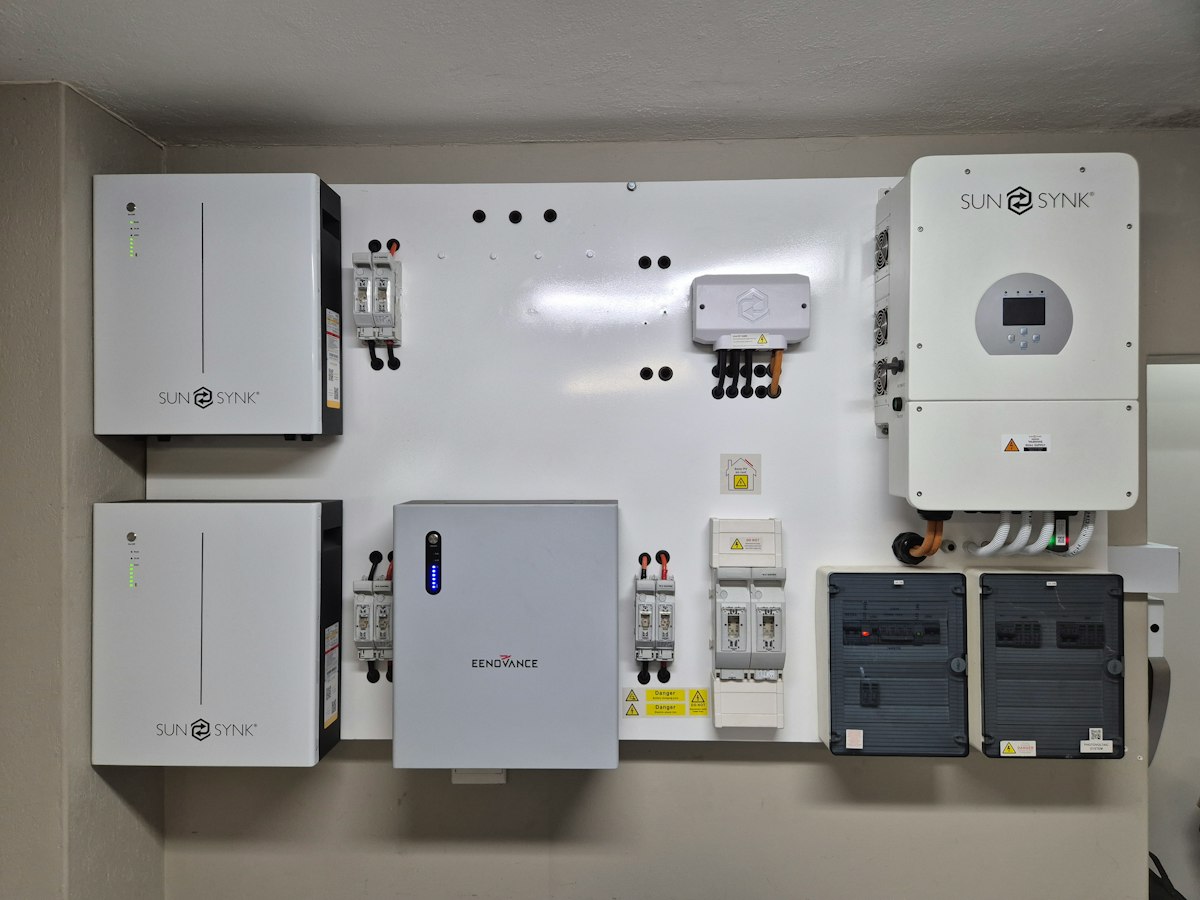
    For smaller systems, the backstop works through an internet connection between your inverter and the network, so installers must connect the inverter to the internet unless that is not practicable. Make sure your home has reliable internet at the inverter location, or ask about alternatives.

    How this connects to your rebate

    Solar Victoria installations are required to be backstop enabled, so your retailer should take care of this. It does not change the Solar Homes approval steps. See our guide to the Solar Homes rebate.

    Ask your installer

    • Will my system be backstop enabled and tested before handover?
    • How will the inverter connect to my internet?
    • What happens if I change my internet provider or router?

    Get free quotes and ask each installer to explain how they handle the backstop.

    General information only. Confirm current requirements with Solar Victoria and the Victorian Government.

    Get up to 3 quotes from solar installers in your area

    Free and no obligation. Quotes from NETCC Approved Sellers that service your postcode.
    Get 3 Solar Quotes (Victoria)
  • NSW Emergency Backstop Mechanism: What It Means If You Are Getting Solar

    NSW Emergency Backstop Mechanism: What It Means If You Are Getting Solar

    Updated October 2026

    If you are installing solar in New South Wales, you will hear the term Emergency Backstop Mechanism. It is a grid safety measure, and it has practical effects on new systems.

    What is it?

    The Emergency Backstop Mechanism lets NSW’s distribution networks, Ausgrid, Endeavour Energy and Essential Energy, temporarily reduce rooftop solar exports or pause generation. They can only do this when instructed by the Australian Energy Market Operator (AEMO), and it is a last resort during rare emergency conditions.

    Who does it apply to?

    According to the NSW Government, from mid-2026 installers must make all new and upgraded rooftop solar systems backstop-enabled. The requirements do not apply to existing rooftop solar systems. Industry sources note that a battery-only addition to existing solar generally does not trigger the requirement, but confirm this with your installer.

    What it means for you

    • Internet connection: the inverter needs a reliable internet connection so the network can communicate with it. Ask your installer how this will work at your home, and what happens if connectivity is poor.
    • Compatible inverter: your inverter must support the required communication standard.
    • Upgrades count: replacing or upgrading an inverter can bring an older system under the new rules.

    Questions to ask your installer

    • Is the system backstop-enabled and registered through the NSW installer portal?
    • How will it stay connected to the internet?
    • Are there any export limits if it is not connected?

    See our NSW rebate guide, then compare free quotes and ask each installer about backstop compliance.

    General information only. Requirements and timing are changing, so confirm with the NSW Government and your installer.

    Get up to 3 quotes from solar installers in your area

    Free and no obligation. Quotes from NETCC Approved Sellers that service your postcode.
    Get 3 Solar Quotes (Victoria)
  • Do You Need Council Approval for Solar Panels in Victoria?

    Do You Need Council Approval for Solar Panels in Victoria?

    Updated October 2026

    For most Victorian homes, rooftop solar is a simple process. But some properties have extra rules, so it is worth checking before you sign.

    The usual case

    Many standard rooftop installations on ordinary houses do not need a separate planning permit. Your installer handles the electrical approvals and any network application.

    When to check with your council

    • Heritage overlays: if your home is in a heritage area, panels visible from the street may need approval.
    • Other planning overlays: some areas, such as certain environmental or neighbourhood character zones, may have extra requirements.
    • Apartments and units: you may need owners corporation approval.
    • Ground-mounted systems: these can have different rules to rooftop systems.

    What your installer should do

    • Ask whether your property has any overlays.
    • Handle the network application and electrical safety paperwork.
    • Tell you honestly if approval is needed, and who is responsible for getting it.

    Protect your rebate and your timeline

    If approvals could delay your install, tell your installer early. Remember that Solar Homes approval must come before installation. See our guide to the Solar Homes rebate.

    Not sure where to start? Get free quotes and ask each installer about your property’s requirements.

    General information only, not legal advice. Planning rules vary by council, so check with yours.

    Get up to 3 quotes from solar installers in your area

    Free and no obligation. Quotes from NETCC Approved Sellers that service your postcode.
    Get 3 Solar Quotes (Victoria)
  • Solar Panel Lifespan and Maintenance in the Australian Climate

    Solar Panel Lifespan and Maintenance in the Australian Climate

    Updated October 2026

    A solar system is a long-term investment, so it helps to know what to expect and how to look after it.

    How long do panels last?

    Quality panels are built to last for decades, with output slowly declining each year. Many come with a performance warranty that guarantees a minimum output after 25 years. The inverter usually needs replacing sooner than the panels, so check its warranty.

    Three warranties to compare

    • Product warranty: covers defects in the panels or inverter.
    • Performance warranty: guarantees a minimum output over time.
    • Workmanship warranty: covers the installer’s work, so it is only as good as the company behind it.

    Simple maintenance

    • Check your monitoring app regularly. A sudden drop can signal a fault.
    • Look for shade from growing trees.
    • Rain usually keeps panels clean, but dust, bird droppings or leaf litter may need cleaning. Follow the manufacturer’s safety advice, and avoid climbing on the roof yourself.
    • Arrange a professional check if something looks wrong.

    Hail and storms

    Most panels are tested for impact, but severe weather can still cause damage. Check that your home insurance covers your solar system, and tell your insurer when you install it.

    Choosing for the long term

    Pick an installer likely to be around when you need warranty support. Our quote checklist can help, and you can compare up to three quotes today.

    General information only. Warranty terms vary, so read the documents for your specific products.

    Get up to 3 quotes from solar installers in your area

    Free and no obligation. Quotes from NETCC Approved Sellers that service your postcode.
    Get 3 Solar Quotes (Victoria)
  • Solar for Landlords and Renters in Victoria: What You Need to Know

    Solar for Landlords and Renters in Victoria: What You Need to Know

    Updated October 2026

    Solar is not just for owner-occupiers. Landlords in Victoria can install it, and tenants can benefit with the right arrangements.

    For landlords

    Eligible rental properties may qualify for the Solar Homes rebate of up to $1,400, subject to Solar Victoria’s rules. As with owner-occupiers, you must be approved before installing. Federal STC discounts apply as well. Landlords may also use solar to make a property more attractive to renters.

    Things to settle first

    • Who pays for the system, and who benefits from the power savings?
    • Whether the rent will change, and how that is documented.
    • Access arrangements for installation and maintenance.
    • Whether the roof and switchboard are suitable.

    For tenants

    You will usually need your landlord’s written permission before any installation. If a system is already on the roof, ask how the power is shared. Check your electricity plan so you are paid, or charged, fairly for exports.

    Do batteries make sense for rentals?

    A battery stays with the property, so it is mostly a landlord decision. It can suit tenants who use a lot of power in the evening, but make sure the benefits are clear in writing.

    Read about the Solar Homes rebate for eligibility rules, then get up to three quotes.

    General information only, not legal or financial advice. Residential tenancy rules apply, so check with Consumer Affairs Victoria and Solar Victoria.

    Get up to 3 quotes from solar installers in your area

    Free and no obligation. Quotes from NETCC Approved Sellers that service your postcode.

    Get 3 Solar Quotes (Victoria)
  • Solar Panels for Melbourne Homes: Roof Direction, Shading and Roof Types

    Solar Panels for Melbourne Homes: Roof Direction, Shading and Roof Types

    Updated October 2026

    Not every roof is the same, but most Victorian homes can host solar. Here is what affects how much power your panels make.

    Roof direction

    In Australia, north-facing panels usually produce the most over a year. East and west faces also work well, and many households choose an east-west split so power is made earlier and later in the day. That can suit families who use more electricity in the morning and evening.

    Tilt

    Panels tilted closer to the latitude of Melbourne tend to capture more winter sun. A lower tilt can favour summer output. Your installer can model the options for your roof.

    Shading

    Trees, neighbouring buildings and chimneys can cut output. Even small shade patches can affect an entire string of panels. If shade is an issue, ask about microinverters or optimisers.

    Roof type

    • Colorbond and metal roofs: usually straightforward.
    • Tile roofs: work well, but installation can take longer.
    • Older roofs: check the condition first, since panels may need to be removed for roof repairs.

    Winter in Victoria

    Output is lower in winter, so size your system on annual use, not just on summer. A well-sized system plus a suitable electricity plan matters more than the biggest panel count.

    Ask your installer

    • What output do you expect for my roof, month by month?
    • How have you allowed for shade?
    • What happens if my roof needs work later?

    Read our guide on comparing solar quotes, then request up to three quotes for your roof.

    General information only. Output varies by site, so rely on a site-specific assessment.

    Get up to 3 quotes from solar installers in your area

    Free and no obligation. Quotes from NETCC Approved Sellers that service your postcode.

    Get 3 Solar Quotes (Victoria)
  • Solar Homes Rebate and the Federal Battery Rebate: Can You Claim Both in Victoria?

    Solar Homes Rebate and the Federal Battery Rebate: Can You Claim Both in Victoria?

    Updated October 2026

    Many Victorians installing solar and a battery together ask whether they can claim everything. The short answer is that the two programs are separate, so you can often receive support from each, as long as you meet each program’s rules.

    What each program covers

    • Solar Victoria’s Solar Homes rebate helps with rooftop solar panels. It is up to $1,400 and is limited to households under the income cap, which is $150,000 combined taxable income from 1 July 2026.
    • The federal Cheaper Home Batteries Program gives a discount on an eligible battery connected to solar. It is not means-tested, and your installer claims it for you.
    • The federal STC discount applies to the solar panels themselves.

    The order that protects your rebate

    1. Check you meet the Solar Homes eligibility rules.
    2. Ask your retailer to lodge the application with Solar Victoria.
    3. Wait for your approval before any installation starts.
    4. Install the panels, and the battery if you are doing both at once.

    Installing before you are approved can cost you the Solar Homes rebate, so confirm the date with your installer in writing.

    What your quote should show

    • The STC discount on the panels as its own line
    • The Solar Homes rebate as its own line
    • The battery discount as its own line, with the battery’s usable kWh

    See our guides to the Solar Homes rebate and the new battery tiers.

    Get up to three free quotes from installers in your area and ask each to itemise every discount.

    General information only, not financial advice. Rules change, so confirm with Solar Victoria and the Clean Energy Regulator.

    Get up to 3 quotes from solar installers in your area

    Free and no obligation. Quotes from NETCC Approved Sellers that service your postcode.

    Get 3 Solar Quotes (Victoria)
  • STC Calculator Explained: How Many Certificates Will Your Solar System Earn?

    STC Calculator Explained: How Many Certificates Will Your Solar System Earn?

    Updated October 2026

    Online STC calculators are handy, but it helps to know what is going on underneath. The maths is simpler than most people expect.

    The formula

    For rooftop solar, the number of certificates is roughly:

    system size (kW) × your zone rating × deeming years

    • System size: the total kW of your solar panels.
    • Zone rating: Australia is split into four solar zones by sunshine. Melbourne is in Zone 3, which has a rating of 1.382.
    • Deeming years: the years remaining until the scheme ends in 2030. For installations in 2026 it is 5 years, falling by one each January.

    A worked example for Melbourne

    A 6.6 kW system installed in 2026 in Zone 3:

    6.6 × 1.382 × 5 = about 45.6, which rounds down to 45 certificates.

    If certificates sell for around $38 each, that is a discount of roughly $1,710. STC prices move, and installers sell them at different rates, so treat this as an illustration, not a quote.

    Why the discount shrinks each year

    Because the deeming years drop by one each January, the same system earns fewer certificates every year until 2030. See our guide to the solar STC rebate.

    What about batteries?

    Batteries use a different calculation based on usable kWh and a factor that now tapers by size and steps down twice a year. Read how the new battery tiers work.

    Use it on your quote

    Ask your installer to show the number of STCs, the price per certificate they assumed and the resulting discount. That makes quotes easy to compare. Request up to three free quotes from accredited Victorian installers.

    General information only, not financial advice. Confirm your zone and current rules with the Clean Energy Regulator.

    Get up to 3 quotes from solar installers in your area

    Free and no obligation. Quotes from NETCC Approved Sellers that service your postcode.

    Get 3 Solar Quotes (Victoria)
  • Solar Homes Rebate Victoria: Income Cap, Eligibility and How to Apply

    Solar Homes Rebate Victoria: Income Cap, Eligibility and How to Apply

    Updated October 2026

    The Solar Homes Program is Victoria’s main rebate for rooftop solar. It sits on top of the federal STC discount. Here is who can claim it and how the process works.

    How much is the rebate?

    Eligible households can receive up to $1,400, which is a discount of up to 50% of the cost of installing solar panels. It is also available for homes under construction and for eligible rental properties.

    The 1 July 2026 income change

    From 1 July 2026, the combined household taxable income cap dropped from $210,000 to $150,000 a year. Applications are now assessed against the lower cap.

    Who is eligible?

    • Your combined household taxable income is under $150,000.
    • The property has not already received a Solar Homes rebate.
    • The system is supplied by an approved Solar Victoria retailer.

    Other conditions, such as property value limits, may apply. Check the latest rules at solar.vic.gov.au.

    How to apply

    1. Choose an approved retailer and get a quote.
    2. Your retailer uploads the quote to the Solar Victoria portal.
    3. You upload proof of income and a council rates notice.
    4. Solar Victoria assesses your application and issues an eligibility number.
    5. Give that number to your retailer, who can then install.

    The most important rule

    Do not install before you are approved. If the system goes in first, you will not receive the rebate.

    Can you also get the federal discount?

    Yes. The federal STC discount applies in addition to the Solar Homes rebate. For batteries, Victoria’s interest-free loan has closed, so support comes from the federal Cheaper Home Batteries Program.

    Want to know what you could receive? Get free quotes from approved Victorian installers.

    General information only. Eligibility rules change, so confirm with Solar Victoria before you apply.

    Get up to 3 quotes from solar installers in your area

    Free and no obligation. Quotes from NETCC Approved Sellers that service your postcode.

    Get 3 Solar Quotes (Victoria)
  • Victorian Solar and Battery Rebates in 2026: What You Can Claim Right Now

    Victorian Solar and Battery Rebates in 2026: What You Can Claim Right Now

    Updated October 2026

    If you live in Victoria, you can stack national and state support when you install solar. Here is what is available right now, and what each one actually does.

    1. The federal STC discount on solar panels

    Every eligible rooftop solar system in Australia creates Small-scale Technology Certificates (STCs). Your installer claims them and takes the value off your invoice. The number of certificates falls each year until the scheme ends in 2030, so the same system earns slightly less each January.

    2. The federal Cheaper Home Batteries Program

    Since 1 July 2025, eligible batteries connected to new or existing solar have received an upfront discount through STCs. It is not means-tested and you do not apply yourself. Your accredited installer handles it. Rules changed on 1 May 2026, so read our guide to the new battery rebate tiers.

    3. Solar Victoria’s Solar Homes rebate

    Eligible Victorian households can claim a rebate of up to $1,400 towards solar panels, which covers up to half the cost. The combined household taxable income cap fell to $150,000 on 1 July 2026, and you must have approval before you install. Our guide to the Solar Homes rebate walks through the steps.

    What Victoria no longer offers

    Solar Victoria’s interest-free battery loan has closed to new applications. For batteries, the federal program is now the main source of support.

    A quick example

    A Victorian owner-occupier under the income cap who installs solar could receive the federal STC discount and the Solar Homes rebate. If they add a battery at the same time, the federal battery discount applies as well. Your installer should list each discount as a separate line on the quote.

    Before you sign

    • Get Solar Homes approval first, then install.
    • Use a Clean Energy Council accredited installer.
    • Ask for the STC and battery discounts to be itemised.
    • Confirm current rules at solar.vic.gov.au and the Clean Energy Regulator.

    Next step

    Quotes vary widely, even for the same system. Compare free quotes from accredited Victorian installers and see exactly which rebates apply to you.

    General information only, not financial advice. Rebate rules and values change, so confirm current details before you buy.

    Get up to 3 quotes from solar installers in your area

    Free and no obligation. Quotes from NETCC Approved Sellers that service your postcode.

    Get 3 Solar Quotes (Victoria)