Get 3 Free Quotes

Category: Solar Batteries

  • What Affects Home Battery Prices in Australia? Why Quotes Vary So Much

    What Affects Home Battery Prices in Australia? Why Quotes Vary So Much

    Updated October 2026

    When you collect battery quotes, the prices can look surprisingly different. Here is what drives the gap.

    The battery itself

    • Usable capacity (kWh): more storage costs more, though not always in a straight line.
    • Power output (kW): a battery that can run more appliances at once usually costs more.
    • Brand, chemistry and warranty: see LFP vs NMC and battery warranties.

    The installation

    • Switchboard upgrades or extra wiring.
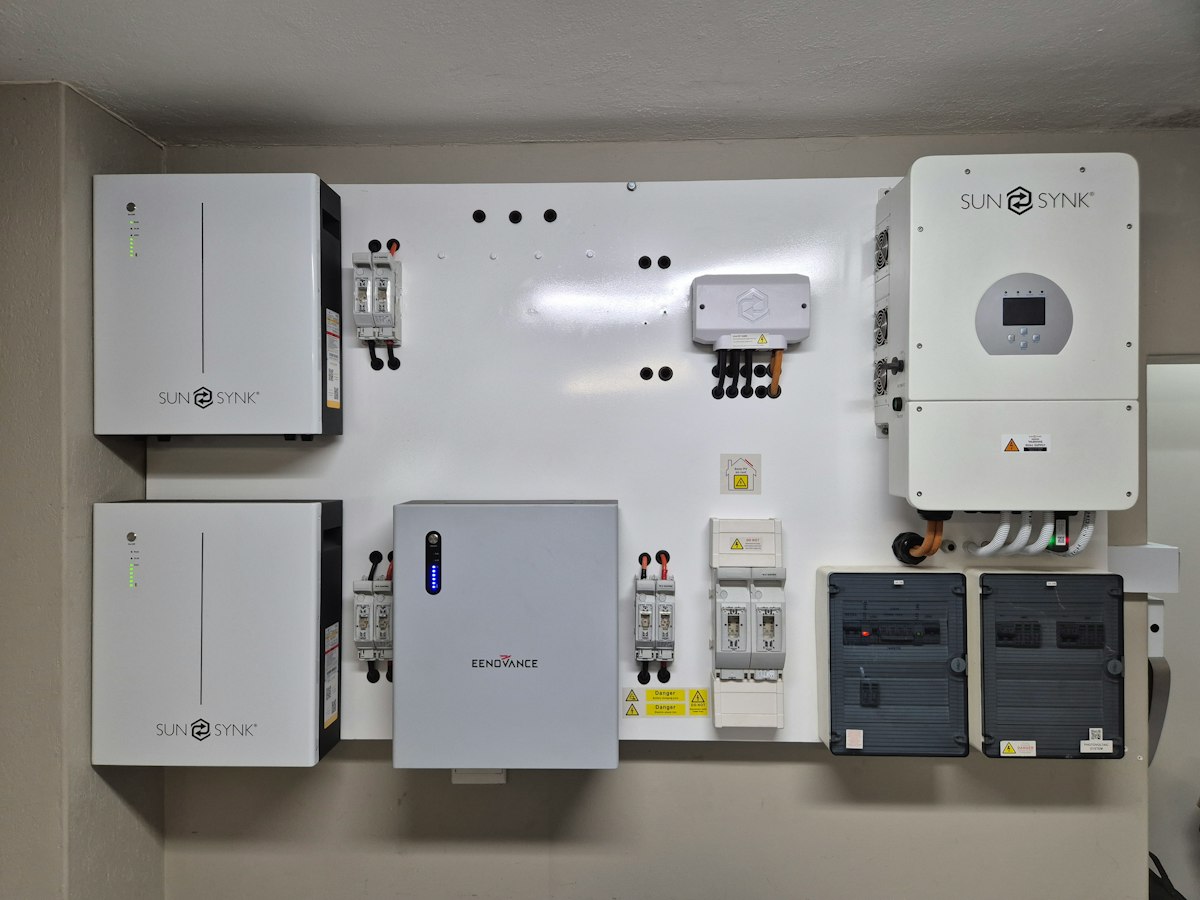
    • Backup capability, which needs extra equipment.
    • The distance between the battery and the switchboard.
    • Compatibility with your existing solar inverter. See adding a battery to existing solar.

    The rebates

    The federal discount depends on usable kWh, the tier and the STC factor, which steps down every six months. Different installers may also assume different STC prices. See a worked example.

    The seller

    Overheads, warranty support and after-sales service all affect price. The cheapest quote is not always the best value.

    How to compare fairly

    • Compare price per usable kWh, after rebates.
    • Check that each quote lists the same inclusions.
    • Ask about the warranty and who supports it.

    Compare up to three free quotes and use our quote-reading guide.

    General information only, not financial advice. We have not quoted prices because they change often.


  • Battery Rebate Deadline: What the 1 January 2027 Step-Down Means in Victoria, NSW and WA

    Battery Rebate Deadline: What the 1 January 2027 Step-Down Means in Victoria, NSW and WA

    Updated October 2026

    The federal battery discount steps down on 1 January 2027 across Australia. What else you can claim depends on your state.

    Victoria

    • The federal discount applies, and it is the main battery support.
    • Solar Victoria’s interest-free battery loan has closed.
    • If you are installing solar as well, you may claim the Solar Homes rebate of up to $1,400, but you must be approved before installing.

    See Solar Homes rebate.

    New South Wales

    • The NSW battery installation discount is no longer available.
    • The NSW VPP incentive can be combined with the federal discount.
    • Check backstop requirements if you are installing new solar.

    See NSW rebates.

    Western Australia

    • The WA Residential Battery Scheme is limited to a set number of rebates, so check availability.
    • VPP enrolment is required.
    • The federal discount applies on top.

    See WA rebates.

    For every state

    • Get a confirmed installation date in writing.
    • Ask each installer to itemise every rebate.
    • Do not let a deadline push you into the wrong product. See our calm checklist.

    Read the full January 2027 step-down guide, then compare free quotes.

    General information only, not financial advice. Rules change, so confirm with each government.

    Get up to 3 quotes from solar installers in your area

    Free and no obligation. Quotes from NETCC Approved Sellers that service your postcode.

    Get 3 Solar Quotes (Victoria)
  • How Much Will the Battery Rebate Fall in January 2027? A Worked Example

    How Much Will the Battery Rebate Fall in January 2027? A Worked Example

    Updated October 2026

    How much will the rebate really change in January? Here is a simple illustration. It uses assumed numbers, so your actual quote will differ.

    The formula

    The battery discount is roughly:

    usable kWh (within the tier) × STC factor × STC price

    Assumptions

    • STC factor: 6.8 for May to December 2026, and 5.7 for January to June 2027, according to CHOICE.
    • STC price: about $38 per certificate. This moves, so it is only an assumption.

    Example: a 10 kWh battery

    • Installed in 2026: 10 × 6.8 × $38 = about $2,584.
    • Installed in early 2027: 10 × 5.7 × $38 = about $2,166.
    • Difference: about $418.

    Example: a 14 kWh battery

    • 2026: 14 × 6.8 × $38 = about $3,618.
    • Early 2027: 14 × 5.7 × $38 = about $3,032.
    • Difference: about $586.

    What to take from this

    The step-down is real but not dramatic. It is worth planning for, but not worth buying the wrong battery for. Installers also sell STCs at different prices, so ask yours to show the number of STCs and the price they assumed. See how to read a solar quote.

    For the latest official figures, check the Clean Energy Regulator. For the changes since May, see our battery tiers guide.

    Compare free quotes and ask each installer to show the STC maths.

    General information only, not financial advice. Figures are illustrative, not a quote.

    Get up to 3 quotes from solar installers in your area

    Free and no obligation. Quotes from NETCC Approved Sellers that service your postcode.

    Get 3 Solar Quotes (Victoria)
  • Should You Rush to Install a Battery Before 31 December? A Calm Checklist

    Should You Rush to Install a Battery Before 31 December? A Calm Checklist

    Updated October 2026

    When a rebate is about to fall, sales messages get louder. Here is a calm way to decide whether to act before 31 December.

    Step 1: does a battery suit your home?

    • Do you use a lot of power in the evening?
    • Do you already have solar, or are you installing it?
    • Is your feed-in rate low, so storing solar is worth more than exporting it?

    If the answer is mostly no, a lower rebate is not the main issue. See our guide to common battery questions.

    Step 2: is the size right?

    The rebate tapers above 14 kWh, so a smaller, right-sized battery often gives the best value. See how to size your battery.

    Step 3: can the install be done in time?

    • Ask for a confirmed installation date in writing.
    • Check lead times for the battery model.
    • Ask about network approvals, which can cause delays.
    • In Victoria, make sure any Solar Homes approval arrives before installation.

    Step 4: what if it slips?

    Ask what happens to the price if installation falls in January. A reputable installer will explain this before you sign.

    Step 5: protect yourself

    • Compare at least three quotes.
    • Be wary of pressure tactics and unsupported ‘last chance’ claims. See how to avoid misleading sales tactics.
    • Remember your cooling-off rights for unsolicited sales.

    Compare free quotes and ask each installer for a confirmed date.

    General information only, not financial advice.

    Get up to 3 quotes from solar installers in your area

    Free and no obligation. Quotes from NETCC Approved Sellers that service your postcode.

    Get 3 Solar Quotes (Victoria)
  • Home Battery Rebate Steps Down on 1 January 2027: What to Do Before 31 December

    Home Battery Rebate Steps Down on 1 January 2027: What to Do Before 31 December

    Updated October 2026

    The federal Cheaper Home Batteries Program is designed to reduce over time, and the next scheduled step-down takes effect on 1 January 2027. If you are considering a battery, this date matters.

    What is changing?

    The discount is based on a number of STCs, calculated using an STC factor that steps down every six months. According to CHOICE, the factor is 6.8 for installations from May to December 2026, and falls to 5.7 for installations from January to June 2027. That is a drop of roughly 16% in the factor. Please confirm the exact figures on the Clean Energy Regulator website.

    What stays the same?

    • The tiered structure: full factor for the first 14 kWh, 60% for 14 to 28 kWh, and 15% for 28 to 50 kWh.
    • The program is scheduled to run until 2030.
    • It is not means-tested, and your installer claims it for you.

    Why the installation date matters

    The discount is determined by when the battery is installed, not when you sign the contract. A delay in installation, such as stock shortages, approvals or scheduling, could push your install into January and reduce the discount. Our guide to the new battery tiers explains how the factor works.

    What to do now

    • Decide whether a battery suits your usage. See whether batteries are worth it.
    • Get several quotes and ask for a confirmed installation date in writing.
    • Ask what happens to the price if the install slips past 31 December.
    • Check any state requirements, such as Solar Homes approval in Victoria, which must come before installation.

    Do not be rushed

    A smaller discount in January does not make a bad purchase good. If a battery does not suit your home, the rebate does not fix that. See our calm checklist for deciding.

    Compare up to three free quotes now and ask each installer for their earliest confirmed date.

    General information only, not financial advice. Rebate rules and values change, so confirm with the Clean Energy Regulator.

    Get up to 3 quotes from solar installers in your area

    Free and no obligation. Quotes from NETCC Approved Sellers that service your postcode.

    Get 3 Solar Quotes (Victoria)
  • Smart Meters and Solar: Why Your Meter Data Helps Size Your System

    Smart Meters and Solar: Why Your Meter Data Helps Size Your System

    Updated October 2026

    A smart meter records how much electricity you use, usually in short intervals. That data is one of the best tools for sizing solar and a battery.

    Why it helps

    • It shows your daytime use, which solar can cover directly.
    • It shows your evening peak, which a battery can reduce.
    • It lets installers model savings on your real pattern, not an average home.

    How to get your data

    Your retailer or distributor may let you download interval data from an online account, or you can request it. Ask for at least a year, if available, to capture seasons.

    What to do with it

    • Share it with each installer so quotes are comparable.
    • Ask them to show savings under your tariff, using current feed-in rates.
    • Check that the recommended battery matches your evening usage. See sizing your battery.

    Privacy

    Only share your data with companies you trust, and check how they will use and store it. Our Privacy Policy explains how we handle information you send us.

    Compare free quotes and ask each installer how they use your data.

    General information only.

    Get up to 3 quotes from solar installers in your area

    Free and no obligation. Quotes from NETCC Approved Sellers that service your postcode.

    Get 3 Solar Quotes (Victoria)
  • Charging an Electric Vehicle With Solar and a Home Battery

    Charging an Electric Vehicle With Solar and a Home Battery

    Updated October 2026

    If you own or plan to buy an electric vehicle, solar can cut the cost of charging considerably.

    Charging in the daytime

    If your car is home during the day, you can charge it directly from your solar panels. If you are away at work, you will probably charge in the evening, when solar is not producing.

    Where a battery helps

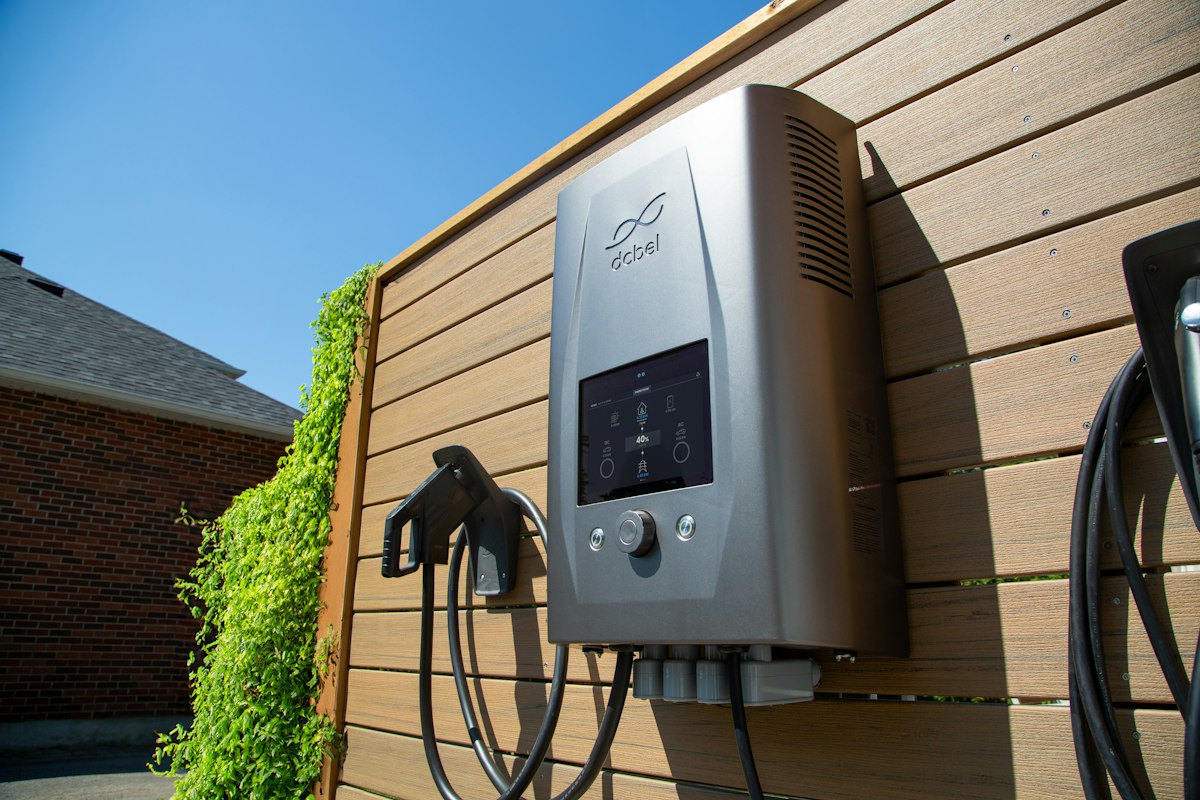
    A battery can store daytime solar so you can charge in the evening. A battery has limited capacity, so one overnight charge for a large EV may use most of it. Some chargers can adjust their charging rate to match the solar output.

    Sizing your system

    • Estimate the extra kWh you will use each week from driving.
    • Add that to your current usage before sizing panels.
    • Think about whether your switchboard and supply can handle a home charger.

    Tariffs matter

    Some plans offer cheaper off-peak rates suited to overnight charging. Compare plans with your solar and battery in mind. See time-of-use tariffs and batteries.

    Ask your installer

    • Can the system be sized for my EV plans?
    • Can my battery supply the charger, and at what power?
    • Is a solar-aware charger recommended?

    Get free quotes and tell installers about your EV plans.

    General information only, not financial advice.

    Get up to 3 quotes from solar installers in your area

    Free and no obligation. Quotes from NETCC Approved Sellers that service your postcode.

    Get 3 Solar Quotes (Victoria)
  • Solar Battery Warranties Explained: Years, Cycles and Throughput

    Solar Battery Warranties Explained: Years, Cycles and Throughput

    Updated October 2026

    Two batteries can both say ‘ten year warranty’ and offer very different protection. The detail is in the conditions.

    The three measures

    • Years: how long the warranty lasts.
    • Cycles or throughput: the total energy the battery can deliver before the warranty ends, often measured in MWh. Heavy daily use can reach this limit before the years run out.
    • Capacity retention: the minimum capacity guaranteed at the end of the warranty, for example a percentage of the original.

    What else to check

    • Operating conditions, such as temperature limits and installation requirements.
    • Whether the warranty needs registration, or regular software updates.
    • Who handles claims: the manufacturer, the importer or your installer.
    • Whether labour and removal costs are covered.

    Local support matters

    A warranty is only as good as the company behind it. Ask whether the manufacturer has an Australian presence and how long the installer has been trading. Our 12 questions cover this.

    Warranty and VPPs

    If you join a Virtual Power Plant, check that it does not use the battery in a way that affects your warranty. See VPPs explained.

    Get free quotes and ask each installer to provide the warranty document before you sign.

    General information only. Read the warranty terms for your specific product.

    Get up to 3 quotes from solar installers in your area

    Free and no obligation. Quotes from NETCC Approved Sellers that service your postcode.

    Get 3 Solar Quotes (Victoria)
  • Home Battery Questions Australians Search Most, Answered

    Home Battery Questions Australians Search Most, Answered

    Updated October 2026

    These are the questions that come up most when people research home batteries in Australia, with short, practical answers.

    How much is the battery rebate?

    The federal Cheaper Home Batteries Program gives an upfront discount through STCs. The first 14 kWh of usable capacity gets the full factor, the next 14 kWh gets 60%, and the 28 to 50 kWh band gets 15%. The value changes as the factor steps down every six months. Read how the tiers work.

    Is the battery rebate ending?

    It is scheduled to run until 2030 with regular step-downs. See what is confirmed and what is not.

    Do I need solar to get a battery?

    The federal discount applies to batteries connected to a solar system, and an existing system is fine. See adding a battery to existing solar.

    Is a battery worth it?

    It depends on your evening usage, tariff and feed-in rate. See our guide on whether batteries are worth it.

    Will it work in a blackout?

    Only if installed with backup capability. See battery backup explained.

    How big a battery do I need?

    Match capacity to your evening usage and remember the rebate tapers above 14 kWh. See sizing your battery.

    Does my state offer extra support?

    It varies. Check rebates by state.

    Ready to compare? Get up to three free quotes.

    General information only, not financial advice.

    Get up to 3 quotes from solar installers in your area

    Free and no obligation. Quotes from NETCC Approved Sellers that service your postcode.

    Get 3 Solar Quotes (Victoria)
  • Solar and Battery Rebates in Victoria, NSW and WA Compared

    Solar and Battery Rebates in Victoria, NSW and WA Compared

    Updated October 2026

    Federal rebates apply across Australia, but state support differs a lot. Here is how Victoria, NSW and WA compare.

    Federal rebates (all states)

    • STC discount on solar panels: claimed by your installer, falling each year until 2030.
    • Cheaper Home Batteries Program: a tapered discount that steps down every six months. See the new tiers.

    Victoria

    • Solar Homes rebate of up to $1,400 for solar panels, for households under the $150,000 income cap, with approval before installing.
    • The interest-free battery loan has closed.

    Details: Solar Homes rebate.

    New South Wales

    • The NSW battery installation discount is no longer available.
    • The NSW VPP incentive can be combined with the federal battery discount.

    Details: NSW rebates.

    Western Australia

    • The WA Residential Battery Scheme pays up to $1,300 (Synergy) or $3,800 (Horizon Power), with VPP enrolment required.
    • Rebates are limited in number, so check availability.

    Details: WA rebates.

    What to check on any quote

    • Each rebate itemised as its own line.
    • Battery usable kWh and the discount tier.
    • Any VPP conditions attached to a state rebate.

    Browse rebates by state, then compare free quotes.

    General information only, not financial advice. Rules change, so confirm with each government.

    Get up to 3 quotes from solar installers in your area

    Free and no obligation. Quotes from NETCC Approved Sellers that service your postcode.

    Get 3 Solar Quotes (Victoria)