Get 3 Free Quotes

Category: Costs & Savings

  • Heat Pump Hot Water and Solar: Using Your Panels to Heat Water

    Heat Pump Hot Water and Solar: Using Your Panels to Heat Water

    Updated October 2026

    Hot water is a big part of many household energy bills. Pairing a heat pump hot water system with solar can use cheaper daytime power for a job that normally runs at night.

    How it works

    A heat pump hot water system moves heat from the air into the water, so it uses much less electricity than a standard electric element. Many units can be programmed to heat in the middle of the day, when your solar panels are producing.

    Why it suits solar

    • It uses your own solar instead of exporting it for a low feed-in rate.
    • It stores energy as hot water, which works like a simple battery.
    • It can lower your evening and overnight power use.

    Things to check

    • Whether the unit can be timed or controlled to run on solar.
    • Your current hot water setup and whether it is on a controlled-load tariff.
    • Upfront cost, and any state or local incentives. Check your state government’s energy website.
    • Noise, space and installation requirements.

    Sizing your solar

    If you plan to add a heat pump, tell your installer, because it affects the best solar size. See how many panels you need.

    Compare free quotes and mention your hot water plans.

    General information only, not financial advice. Incentives change, so check with your state government.
  • Winter Solar Output in Victoria: What to Expect and How to Plan

    Winter Solar Output in Victoria: What to Expect and How to Plan

    Updated October 2026

    Victorian winters bring shorter days, lower sun angles and more cloud, so solar output is lower than in summer. Panels still generate on cloudy days, just less.

    What changes in winter

    • Fewer daylight hours.
    • The sun sits lower, so roof tilt and shading matter more.
    • Heating can raise your electricity use at the same time, mostly in the evening.

    How to plan

    • Size on annual use, not just the sunniest months. Ask your installer for month-by-month estimates.
    • Check shading: a tree that is harmless in summer can block winter sun. See roof direction and shading.
    • Consider a battery: it may fill less in winter, so size it carefully. See battery sizing.
    • Use power smartly: run appliances in the middle of the day when solar is producing.

    Check your plan

    Winter bills can rise with heating. Compare plans with your usage in mind. See time-of-use tariffs.

    Ask your installer

    • What output do you expect in June and July for my roof?
    • How have you allowed for shading in winter?

    Compare free quotes from NETCC Approved Sellers in your area.

    General information only. Output varies by site and weather.

  • What Affects Home Battery Prices in Australia? Why Quotes Vary So Much

    What Affects Home Battery Prices in Australia? Why Quotes Vary So Much

    Updated October 2026

    When you collect battery quotes, the prices can look surprisingly different. Here is what drives the gap.

    The battery itself

    • Usable capacity (kWh): more storage costs more, though not always in a straight line.
    • Power output (kW): a battery that can run more appliances at once usually costs more.
    • Brand, chemistry and warranty: see LFP vs NMC and battery warranties.

    The installation

    • Switchboard upgrades or extra wiring.
    • Backup capability, which needs extra equipment.
    • The distance between the battery and the switchboard.
    • Compatibility with your existing solar inverter. See adding a battery to existing solar.

    The rebates

    The federal discount depends on usable kWh, the tier and the STC factor, which steps down every six months. Different installers may also assume different STC prices. See a worked example.

    The seller

    Overheads, warranty support and after-sales service all affect price. The cheapest quote is not always the best value.

    How to compare fairly

    • Compare price per usable kWh, after rebates.
    • Check that each quote lists the same inclusions.
    • Ask about the warranty and who supports it.

    Compare up to three free quotes and use our quote-reading guide.

    General information only, not financial advice. We have not quoted prices because they change often.

  • 6.6 kW vs 10 kW Solar System: Which Size Suits Your Home?

    6.6 kW vs 10 kW Solar System: Which Size Suits Your Home?

    Updated October 2026

    Two sizes come up often in Australian quotes: 6.6 kW and 10 kW. The right one depends on your usage, roof and network.

    What the numbers mean

    The kW figure usually refers to the total size of the solar panels. The inverter, which converts the panels’ power for your home, is often sized separately, and your network may limit its capacity or how much you can export.

    When 6.6 kW suits

    • Moderate or average household use.
    • Limited roof space.
    • Low feed-in rates, which reduce the value of exporting.

    When 10 kW may suit

    • High daytime usage, such as a home office, pool pump or ducted cooling.
    • An electric vehicle or heat pump hot water system.
    • Plans to add a battery, so more solar is available to store.

    Watch for export limits

    Many networks cap exports, so a large system may be limited in how much it can send to the grid. Ask your installer what limit applies to your address. See our guides to NSW networks and Victoria’s backstop rules.

    Do the maths

    Ask installers to show expected generation, savings and payback for both sizes using your usage. Compare the extra cost of the larger system with the extra savings. Our guide to the STC calculator shows how the rebate scales with size.

    Compare free quotes and ask each seller to price both sizes.

    General information only, not financial advice.

  • How Many Solar Panels Do I Need? A Guide for Australian Homes

    How Many Solar Panels Do I Need? A Guide for Australian Homes

    Updated October 2026

    There is no single right number of panels. It depends on how much power you use, when you use it, and how much roof you have.

    Step 1: start with your bills

    Your bill shows your daily average use in kWh. A household using a lot of power during the day can use a larger system, because the panels supply the home directly.

    Step 2: understand system size

    Solar systems are sized in kilowatts (kW). A 6.6 kW system might use about 15 to 18 panels, depending on each panel’s wattage. Higher-wattage panels mean fewer panels for the same system size.

    Step 3: check your roof and limits

    • Roof space and direction: usable, unshaded roof area limits the system. See roof direction and shading.
    • Inverter size: your network may limit the inverter capacity or export.
    • Future plans: an electric vehicle, heat pump or battery may justify a larger system.

    Step 4: balance cost and value

    A bigger system costs more but usually costs less per kW. With low feed-in rates, oversizing for export alone is rarely worthwhile. See how to check whether solar is worth it.

    Ask your installer

    • Why have you recommended this size for my usage?
    • How many panels is that, and which model?
    • What export limit applies to my network?

    Compare up to three free quotes from NETCC Approved Sellers in your area.

    General information only, not financial advice. Panel counts are approximate, so rely on a site assessment.

  • Smart Meters and Solar: Why Your Meter Data Helps Size Your System

    Smart Meters and Solar: Why Your Meter Data Helps Size Your System

    Updated October 2026

    A smart meter records how much electricity you use, usually in short intervals. That data is one of the best tools for sizing solar and a battery.

    Why it helps

    • It shows your daytime use, which solar can cover directly.
    • It shows your evening peak, which a battery can reduce.
    • It lets installers model savings on your real pattern, not an average home.

    How to get your data

    Your retailer or distributor may let you download interval data from an online account, or you can request it. Ask for at least a year, if available, to capture seasons.

    What to do with it

    • Share it with each installer so quotes are comparable.
    • Ask them to show savings under your tariff, using current feed-in rates.
    • Check that the recommended battery matches your evening usage. See sizing your battery.

    Privacy

    Only share your data with companies you trust, and check how they will use and store it. Our Privacy Policy explains how we handle information you send us.

    Compare free quotes and ask each installer how they use your data.

    General information only.

    Get up to 3 quotes from solar installers in your area

    Free and no obligation. Quotes from NETCC Approved Sellers that service your postcode.

    Get 3 Solar Quotes (Victoria)
  • Is Solar Worth It in 2026? A Simple Way to Check for Your Home

    Is Solar Worth It in 2026? A Simple Way to Check for Your Home

    Updated October 2026

    Solar is not automatically right for every household, but for many it is a sound investment. Here is a simple way to check.

    Step 1: look at your bills

    Note how much power you use and when. Daytime use is the most valuable, because it is covered directly by your panels.

    Step 2: get a system size recommendation

    An installer should recommend a size based on your usage, roof and any export limits, not a fixed package.

    Step 3: count the rebates

    The STC discount reduces the upfront price, and your state may add more. See our rebates by state guide.

    Step 4: think about exports

    Feed-in rates can be low, so the value comes mainly from using your own power. See Victorian feed-in tariffs and WA export rates.

    Step 5: compare payback

    Divide the price after rebates by your expected yearly saving. Ask each installer to show the assumptions they used.

    When solar may not suit

    • A heavily shaded roof.
    • Very low usage.
    • Plans to move soon, unless the system adds value to the sale.

    Ready to see numbers for your home? Get up to three free quotes.

    General information only, not financial advice. Savings vary, and past results do not guarantee future savings.

    Get up to 3 quotes from solar installers in your area

    Free and no obligation. Quotes from NETCC Approved Sellers that service your postcode.

    Get 3 Solar Quotes (Victoria)
  • Charging an Electric Vehicle With Solar and a Home Battery

    Charging an Electric Vehicle With Solar and a Home Battery

    Updated October 2026

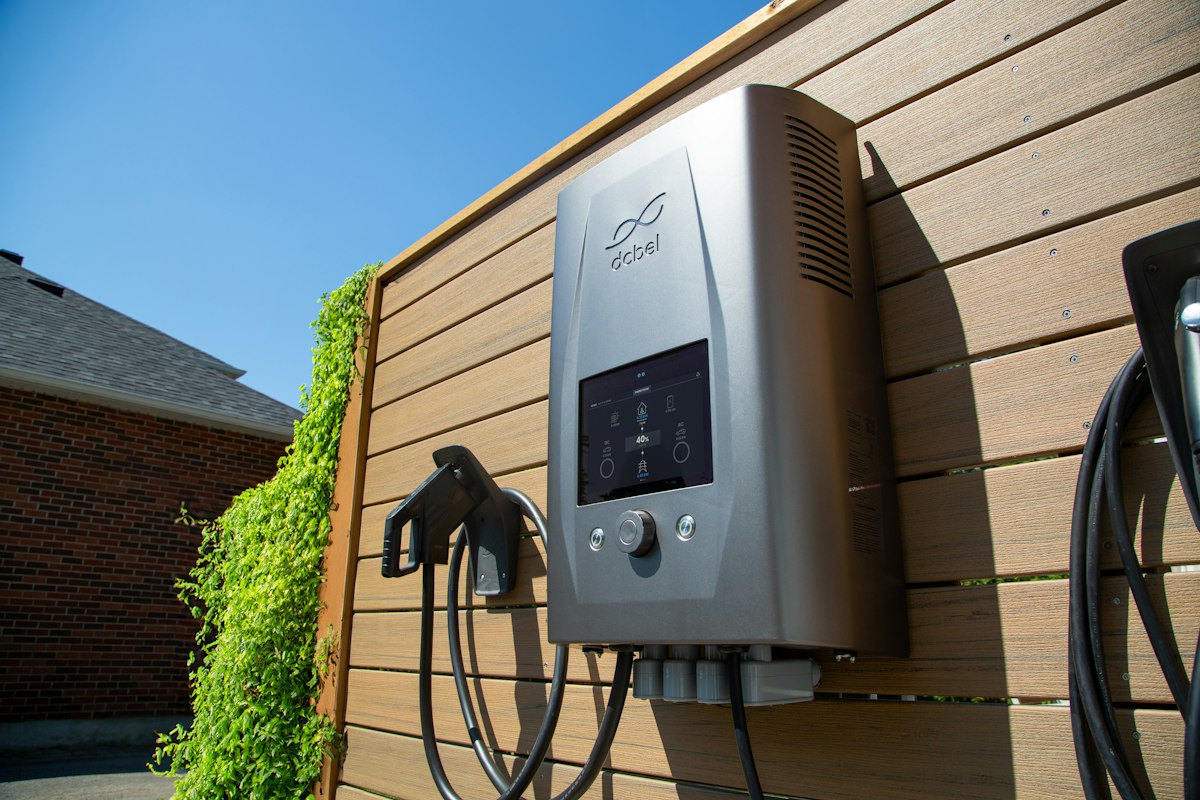
    If you own or plan to buy an electric vehicle, solar can cut the cost of charging considerably.

    Charging in the daytime

    If your car is home during the day, you can charge it directly from your solar panels. If you are away at work, you will probably charge in the evening, when solar is not producing.

    Where a battery helps

    A battery can store daytime solar so you can charge in the evening. A battery has limited capacity, so one overnight charge for a large EV may use most of it. Some chargers can adjust their charging rate to match the solar output.

    Sizing your system

    • Estimate the extra kWh you will use each week from driving.
    • Add that to your current usage before sizing panels.
    • Think about whether your switchboard and supply can handle a home charger.

    Tariffs matter

    Some plans offer cheaper off-peak rates suited to overnight charging. Compare plans with your solar and battery in mind. See time-of-use tariffs and batteries.

    Ask your installer

    • Can the system be sized for my EV plans?
    • Can my battery supply the charger, and at what power?
    • Is a solar-aware charger recommended?

    Get free quotes and tell installers about your EV plans.

    General information only, not financial advice.

    Get up to 3 quotes from solar installers in your area

    Free and no obligation. Quotes from NETCC Approved Sellers that service your postcode.

    Get 3 Solar Quotes (Victoria)
  • Solar and Battery Finance in Victoria: Loans, Green Finance and What to Check

    Solar and Battery Finance in Victoria: Loans, Green Finance and What to Check

    Updated October 2026

    Paying for solar and a battery upfront is not an option for everyone. Finance can spread the cost, but the terms matter.

    What changed in Victoria

    Solar Victoria’s interest-free battery loan has closed to new applications. Battery support now comes mainly from the federal Cheaper Home Batteries Program, which reduces the upfront price through an STC-based discount.

    Common finance options

    • Green loans: some lenders offer lower rates for energy-efficient upgrades.
    • Personal loans: flexible, but rates and fees vary.
    • Home loan top-ups or redraw: may have a lower rate, but check the long-term cost.
    • Installer finance or buy-now-pay-later: convenient, but read every fee and condition.

    What to check

    • The interest rate and the comparison rate.
    • Establishment, monthly and early-repayment fees.
    • Whether the lender holds an Australian Credit Licence.
    • The total amount you will repay, compared with paying upfront.
    • Whether finance is tied to a particular installer or product.

    Do the sums

    Compare the monthly repayments with the savings you expect on your power bill. Use quotes that model your actual usage and electricity plan. See our guide to Victorian electricity prices.

    Compare free quotes and ask for the cash price separately from any finance price.

    General information only, not financial advice. Consider speaking to a licensed financial adviser or a financial counsellor.

  • How Big a Home Battery Do You Need? A Guide for Victorian Households

    How Big a Home Battery Do You Need? A Guide for Victorian Households

    Bigger is not always better value. With the rebate now tapering above 14 kWh, getting the size right matters more than ever.

    Step 1: look at your evening usage

    A battery mainly covers the hours after the sun goes down. Check your electricity bill or smart meter data for how much you use between about 5pm and 10pm, plus overnight and early morning.

    Step 2: compare with your solar

    Your battery only fills if you have spare solar during the day. A small solar system with a large battery may never fully charge, especially in a Victorian winter.

    Step 3: think about the rebate tiers

    The first 14 kWh of usable capacity gets the full STC factor. The next 14 kWh gets 60%, and the 28 to 50 kWh band gets 15%. Going beyond 14 kWh often costs a lot more for little extra rebate. See how the new tiers work.

    Rough guide

    • Small households: often well served by a smaller battery.
    • Typical families: frequently fit within the 10 to 14 kWh range.
    • Large homes, electric vehicle charging or backup needs: may justify more, but model the cost carefully.

    These are general guides, so rely on your own bills.

    Do not forget

    • Compare usable kWh, not the headline number.
    • Check output in kW, which affects how many appliances run at once.
    • Ask whether the battery is backup-capable if blackouts concern you.

    Ask accredited Victorian installers to recommend a size based on your bills.

    General information only, not financial advice.