
Get 3 Free Quotes

Category: Buying Guide

  • Do You Need Council Approval for Solar Panels in Victoria?

    Do You Need Council Approval for Solar Panels in Victoria?

    Updated October 2026

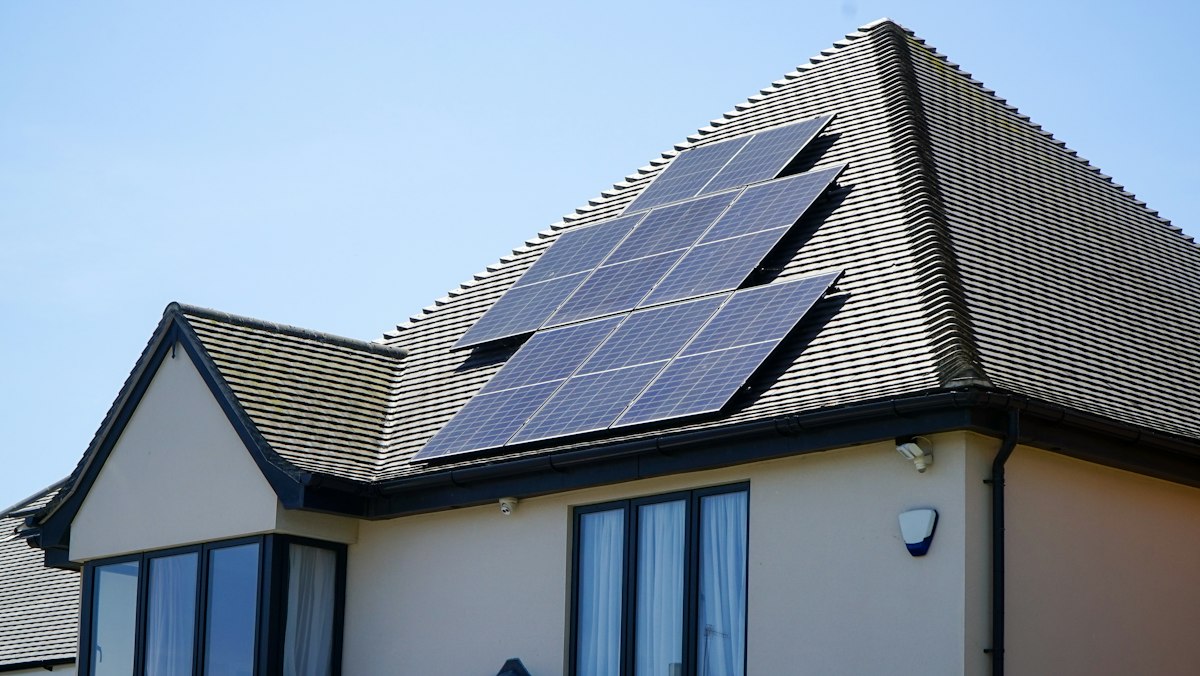
    For most Victorian homes, rooftop solar is a simple process. But some properties have extra rules, so it is worth checking before you sign.

    The usual case

    Many standard rooftop installations on ordinary houses do not need a separate planning permit. Your installer handles the electrical approvals and any network application.

    When to check with your council

    • Heritage overlays: if your home is in a heritage area, panels visible from the street may need approval.
    • Other planning overlays: some areas, such as certain environmental or neighbourhood character zones, may have extra requirements.
    • Apartments and units: you may need owners corporation approval.
    • Ground-mounted systems: these can have different rules to rooftop systems.

    What your installer should do

    • Ask whether your property has any overlays.
    • Handle the network application and electrical safety paperwork.
    • Tell you honestly if approval is needed, and who is responsible for getting it.

    Protect your rebate and your timeline

    If approvals could delay your install, tell your installer early. Remember that Solar Homes approval must come before installation. See our guide to the Solar Homes rebate.

    Not sure where to start? Get free quotes and ask each installer about your property’s requirements.

    General information only, not legal advice. Planning rules vary by council, so check with yours.

    Get up to 3 quotes from solar installers in your area

    Free and no obligation. Quotes from NETCC Approved Sellers that service your postcode.
    Get 3 Solar Quotes (Victoria)
  • Solar Scams and Misleading Sales Tactics: How to Protect Yourself in Victoria

    Solar Scams and Misleading Sales Tactics: How to Protect Yourself in Victoria

    Updated October 2026

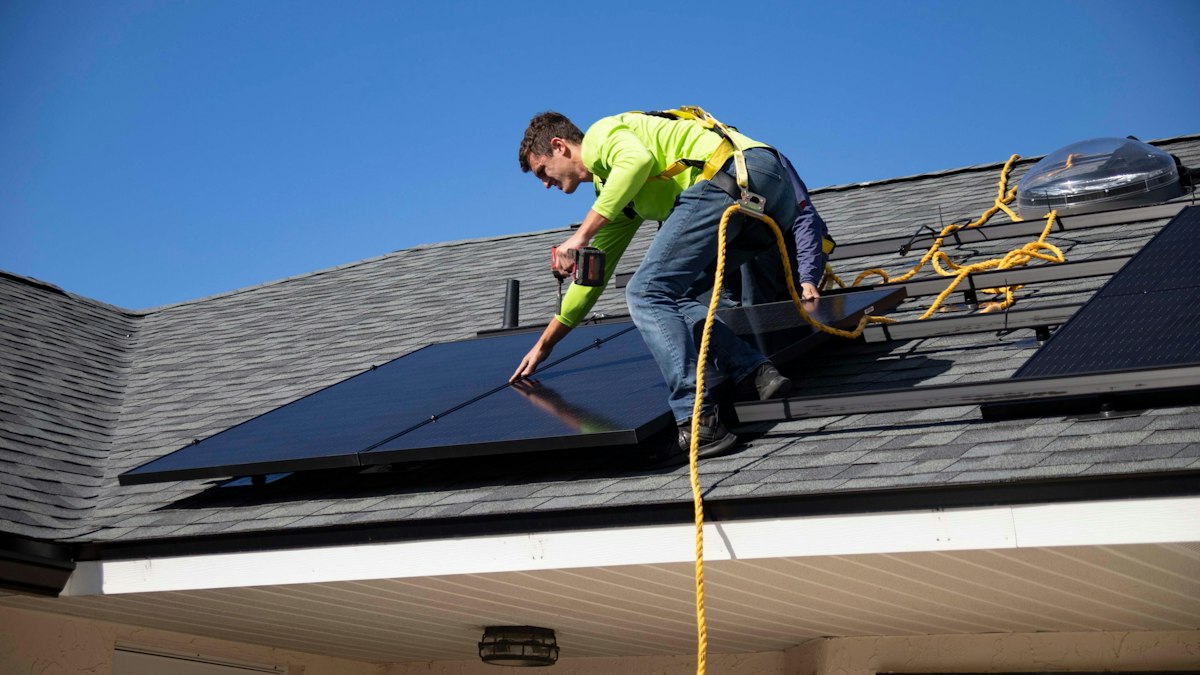
    Strong demand for rebates attracts a few bad operators. Knowing the warning signs and your rights makes you much harder to pressure.

    Common warning signs

    • Pressure to sign today because a rebate is ‘about to end’.
    • Quotes with no itemised pricing or vague brand names.
    • Claims of ‘free solar’ or guaranteed savings.
    • A salesperson who cannot show Clean Energy Council accreditation.
    • Requests to hand over personal documents or pay a large deposit before any approval.
    • Unsolicited calls or door knocks about government rebates.

    Your cooling-off rights

    Under the Australian Consumer Law, if you agree to a purchase after an unsolicited door-to-door or phone sales approach, you generally have a 10 business day cooling-off period. Check your contract and ask for the terms in writing. Rights can differ for other sales, so read before you sign.

    Protect your rebate

    • Do not install before your Solar Homes approval arrives.
    • Check any installer’s accreditation on the Clean Energy Council website.
    • Be careful with finance offers, and read all the terms.

    If something goes wrong

    Start by raising it with the company in writing. You can contact Consumer Affairs Victoria, and you can report scams to the ACCC’s Scamwatch. Keep copies of quotes, contracts and messages.

    See our 12 questions to ask an installer, then compare up to three quotes so you are never relying on one salesperson.

    General information only, not legal advice. Consumer rights vary by situation.

    Get up to 3 quotes from solar installers in your area

    Free and no obligation. Quotes from NETCC Approved Sellers that service your postcode.
    Get 3 Solar Quotes (Victoria)
  • Home Battery Installation in Victoria: What Happens From Quote to Switch-On

    Home Battery Installation in Victoria: What Happens From Quote to Switch-On

    Updated October 2026

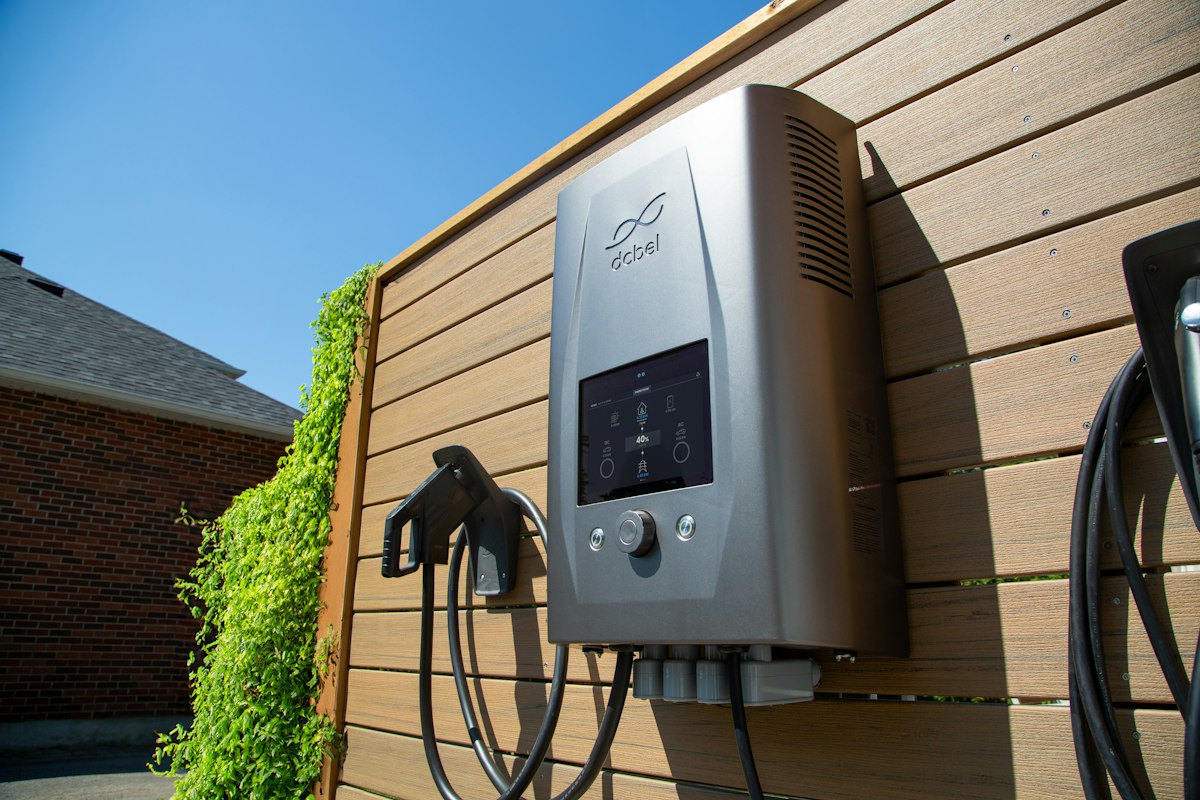
    Knowing the process helps you spot a good installer and avoid delays. Here is what a typical Victorian battery installation involves.

    1. Quote and site check

    Your installer reviews your bills, your switchboard and where the battery will go. Batteries need a suitable location with clearances and ventilation, so installers check this early.

    2. Approvals

    Your installer arranges the paperwork, which may include an application to your local distribution network. Networks in Victoria include AusNet, CitiPower, Powercor, United Energy and Jemena. Export limits and connection rules vary by network.

    3. Installation day

    A licensed electrician installs the battery, connects it to your solar system and configures it. Most residential installs take about a day, but complex jobs can take longer.

    4. Safety paperwork

    In Victoria, electrical work must be done by a licensed electrician who lodges a Certificate of Electrical Safety. Ask for a copy for your records.

    5. Commissioning and handover

    The installer tests the system, sets up the monitoring app and explains how to use it. They should also confirm the warranty terms in writing.

    6. Rebates

    Your installer claims the federal battery discount on your behalf, so it should already be reflected in your invoice. See how the current tiers work.

    Questions to ask

    • Are you Clean Energy Council accredited?
    • Who lodges the network application and electrical safety paperwork?
    • How long will the job take?

    Our 12-question checklist goes deeper. When you are ready, compare free quotes.

    General information only. Requirements change, so confirm with your installer, your network and Energy Safe Victoria.

    Get up to 3 quotes from solar installers in your area

    Free and no obligation. Quotes from NETCC Approved Sellers that service your postcode.

    Get 3 Solar Quotes (Victoria)
  • 12 Questions to Ask a Victorian Solar and Battery Installer Before You Sign

    12 Questions to Ask a Victorian Solar and Battery Installer Before You Sign

    Updated October 2026

    With so many companies chasing rebate-driven demand, a few good questions will quickly show who you can trust.

    About the company

    1. Are you Clean Energy Council accredited? Ask for the installer’s accreditation number and check it.
    2. Are you an approved Solar Victoria retailer? This matters if you want the Solar Homes rebate.
    3. How long have you been trading, and can I see local reviews?

    About the rebates

    1. Are the STC and battery discounts shown as separate lines?
    2. Will you wait for my Solar Homes approval before installing? The answer must be yes.
    3. What happens if the rebate changes before my install date? Get this in writing.

    About the equipment

    1. Which panel, inverter and battery models are you quoting? Check they are on the approved product list.
    2. What is the battery’s usable capacity in kWh, and its output in kW?
    3. What are the product and workmanship warranties?

    About your savings

    1. Have you modelled my actual bills? Ask for the assumptions, including the feed-in rate.
    2. Is the battery sized for my usage? Ask why this size, and what a smaller one would change.
    3. What is included in the price? Switchboard upgrades, scaffolding, approvals and monitoring.

    Red flags

    Be cautious of pressure to sign today, ‘last chance’ rebate claims with no evidence, vague product names and quotes with no itemised pricing. Our 10-point checklist covers more.

    Want quotes from installers who meet these standards? Compare free quotes.

    General information only, not financial advice.

    Get up to 3 quotes from solar installers in your area

    Free and no obligation. Quotes from NETCC Approved Sellers that service your postcode.

    Get 3 Solar Quotes (Victoria)
  • How to Compare Solar Quotes: A 10-Point Checklist

    How to Compare Solar Quotes: A 10-Point Checklist

    Two solar quotes can look similar and still be very different. Use this checklist to compare them properly.

    The 10 points

    1. Panel brand and model: check wattage, efficiency and warranty.
    2. Inverter brand and warranty: inverters are the most common failure point, so look for 10 years where possible.
    3. System size: compare kW of panels and kW of inverter.
    4. Battery details: usable kWh, power output in kW and warranty terms.
    5. STC discount: it should be shown as a separate line.
    6. Installer accreditation: confirm they are Clean Energy Council accredited.
    7. Workmanship warranty: how long, and who stands behind it.
    8. What is included: scaffolding, switchboard upgrades, meter changes and approvals.
    9. Monitoring: an app that shows production and usage.
    10. Reviews and history: how long the company has traded and what customers say.

    Extra checks for Victorian buyers

    • If you want the Solar Homes rebate, confirm the retailer is approved by Solar Victoria and that your approval comes before installation.
    • Ask who will lodge the electrical safety certificate and any network application.
    • Check how the battery discount has been calculated under the current tiers.

    Red flags

    • Pressure to sign today
    • No itemised pricing
    • Vague brand names such as ‘premium panels’
    • Claims that rebates end tomorrow

    Cheapest is not always best value

    A low price can hide weaker products, a short warranty or extras charged later. Judge value by cost per kW, product quality and after-sales support together.

    Make it easy

    Request up to three free quotes from accredited installers and compare them with this checklist.

    General information only, not financial advice.

    Get up to 3 quotes from solar installers in your area

    Free and no obligation. Quotes from NETCC Approved Sellers that service your postcode.

    Get 3 Solar Quotes (Victoria)