

Get 3 Free Quotes

Author: admin

  • Smart Meters and Solar: Why Your Meter Data Helps Size Your System

    Smart Meters and Solar: Why Your Meter Data Helps Size Your System

    Updated October 2026

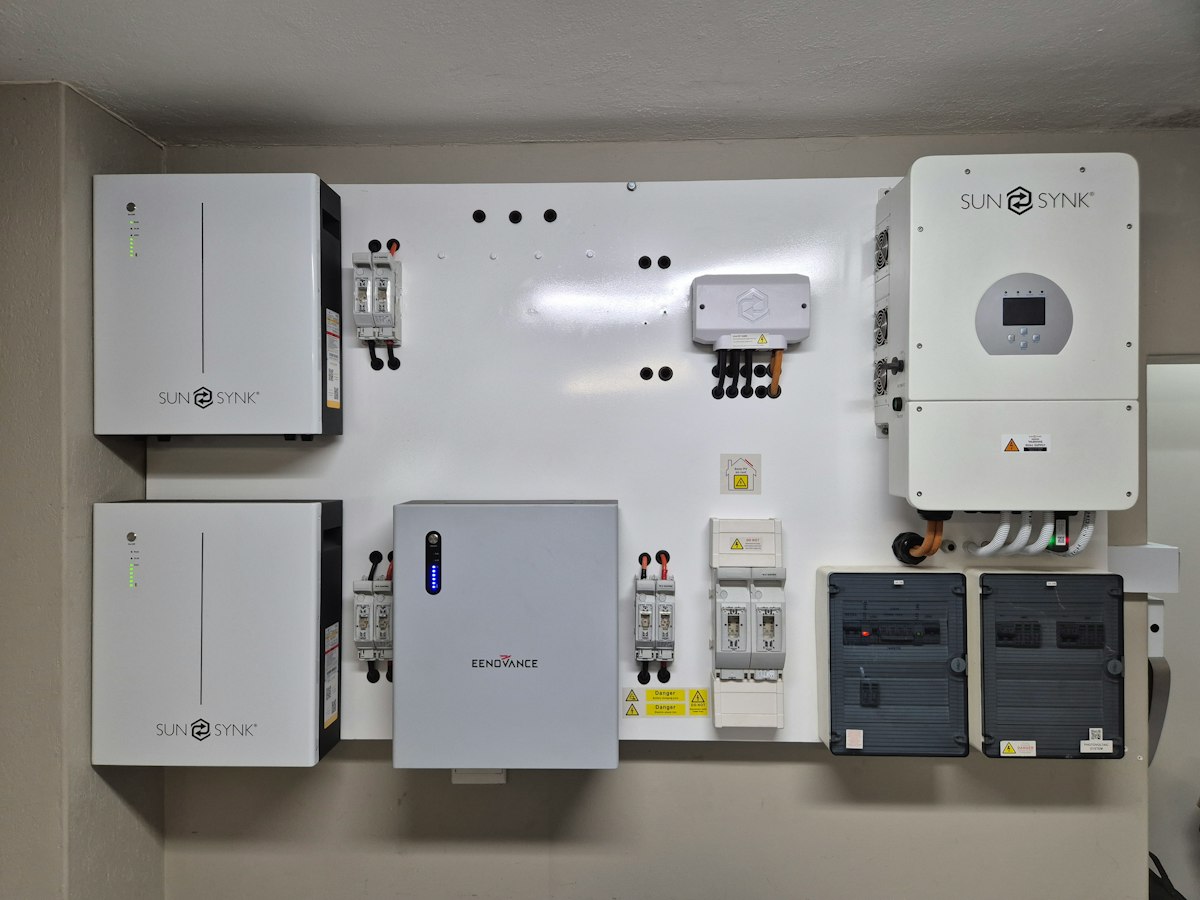
    A smart meter records how much electricity you use, usually in short intervals. That data is one of the best tools for sizing solar and a battery.

    Why it helps

    • It shows your daytime use, which solar can cover directly.
    • It shows your evening peak, which a battery can reduce.
    • It lets installers model savings on your real pattern, not an average home.

    How to get your data

    Your retailer or distributor may let you download interval data from an online account, or you can request it. Ask for at least a year, if available, to capture seasons.

    What to do with it

    • Share it with each installer so quotes are comparable.
    • Ask them to show savings under your tariff, using current feed-in rates.
    • Check that the recommended battery matches your evening usage. See sizing your battery.

    Privacy

    Only share your data with companies you trust, and check how they will use and store it. Our Privacy Policy explains how we handle information you send us.

    Compare free quotes and ask each installer how they use your data.

    General information only.

    Get up to 3 quotes from solar installers in your area

    Free and no obligation. Quotes from NETCC Approved Sellers that service your postcode.
    Get 3 Solar Quotes (Victoria)
  • How to Compare Solar Panel and Inverter Brands in Australia

    How to Compare Solar Panel and Inverter Brands in Australia

    Updated October 2026

    There are many panel and inverter brands on the Australian market. Rather than chasing names, compare them on the same criteria.

    For solar panels

    • Warranty: product warranty, and performance warranty, usually around 25 years.
    • Efficiency and wattage: higher output per panel can suit small roofs.
    • Track record: how long the manufacturer has supplied to Australia.
    • Approvals: products should be on the approved list needed for rebates.

    For inverters

    • Warranty length, and how easy it is to extend.
    • Australian support and service network.
    • Compatibility with a future battery.
    • Compliance with network and backstop requirements. See our guides for Victoria and NSW.

    What ‘Tier 1’ really means

    ‘Tier 1’ is a marketing term and not an official rating. It does not guarantee quality or warranty support, so look at the actual documents.

    Ask your installer

    • Why have you chosen these products for my home?
    • Who supports the warranty in Australia?
    • Can I see the datasheets and warranty documents?

    Compare options through free quotes and check each product against the approved list.

    General information only. We do not endorse any particular brand.

    Get up to 3 quotes from solar installers in your area

    Free and no obligation. Quotes from NETCC Approved Sellers that service your postcode.

    Get 3 Solar Quotes (Victoria)
  • Is Solar Worth It in 2026? A Simple Way to Check for Your Home

    Is Solar Worth It in 2026? A Simple Way to Check for Your Home

    Updated October 2026

    Solar is not automatically right for every household, but for many it is a sound investment. Here is a simple way to check.

    Step 1: look at your bills

    Note how much power you use and when. Daytime use is the most valuable, because it is covered directly by your panels.

    Step 2: get a system size recommendation

    An installer should recommend a size based on your usage, roof and any export limits, not a fixed package.

    Step 3: count the rebates

    The STC discount reduces the upfront price, and your state may add more. See our rebates by state guide.

    Step 4: think about exports

    Feed-in rates can be low, so the value comes mainly from using your own power. See Victorian feed-in tariffs and WA export rates.

    Step 5: compare payback

    Divide the price after rebates by your expected yearly saving. Ask each installer to show the assumptions they used.

    When solar may not suit

    • A heavily shaded roof.
    • Very low usage.
    • Plans to move soon, unless the system adds value to the sale.

    Ready to see numbers for your home? Get up to three free quotes.

    General information only, not financial advice. Savings vary, and past results do not guarantee future savings.

    Get up to 3 quotes from solar installers in your area

    Free and no obligation. Quotes from NETCC Approved Sellers that service your postcode.
    Get 3 Solar Quotes (Victoria)
  • Charging an Electric Vehicle With Solar and a Home Battery

    Charging an Electric Vehicle With Solar and a Home Battery

    Updated October 2026

    If you own or plan to buy an electric vehicle, solar can cut the cost of charging considerably.

    Charging in the daytime

    If your car is home during the day, you can charge it directly from your solar panels. If you are away at work, you will probably charge in the evening, when solar is not producing.

    Where a battery helps

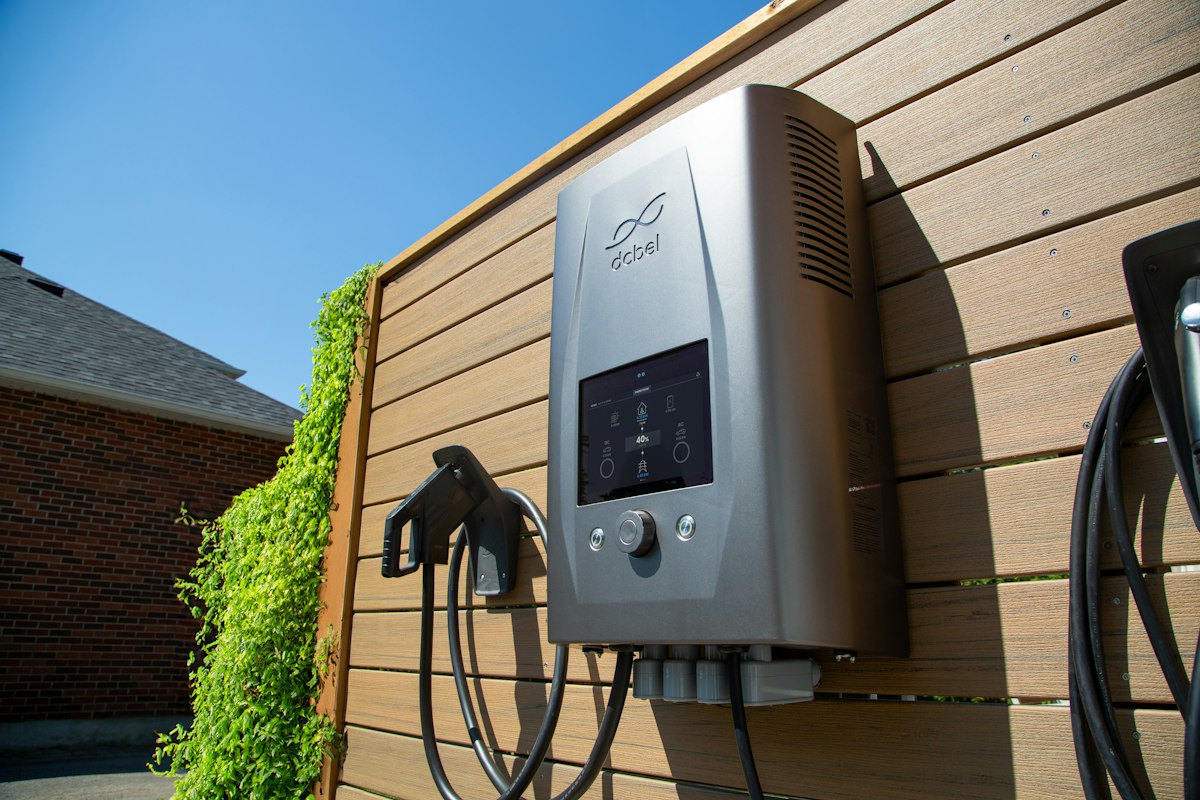
    A battery can store daytime solar so you can charge in the evening. A battery has limited capacity, so one overnight charge for a large EV may use most of it. Some chargers can adjust their charging rate to match the solar output.

    Sizing your system

    • Estimate the extra kWh you will use each week from driving.
    • Add that to your current usage before sizing panels.
    • Think about whether your switchboard and supply can handle a home charger.

    Tariffs matter

    Some plans offer cheaper off-peak rates suited to overnight charging. Compare plans with your solar and battery in mind. See time-of-use tariffs and batteries.

    Ask your installer

    • Can the system be sized for my EV plans?
    • Can my battery supply the charger, and at what power?
    • Is a solar-aware charger recommended?

    Get free quotes and tell installers about your EV plans.

    General information only, not financial advice.

    Get up to 3 quotes from solar installers in your area

    Free and no obligation. Quotes from NETCC Approved Sellers that service your postcode.
    Get 3 Solar Quotes (Victoria)
  • Solar for Apartments and Strata in Australia: What Are Your Options?

    Solar for Apartments and Strata in Australia: What Are Your Options?

    Updated October 2026

    Apartment residents often assume solar is not for them. There are options, but they depend on who owns the roof.

    Common options

    • Building-wide solar: the owners corporation installs panels on the roof and shares the benefit, for example by powering common areas.
    • Individual systems: uncommon in apartments, because roof space is shared.
    • Community or shared solar: programs that let you buy into a system elsewhere, where available.

    Approvals

    Changes to common property usually need owners corporation approval, which may involve a vote at a general meeting. Start early and gather quotes to present.

    Batteries in apartments

    Safety rules affect where batteries can go, so ask your installer and your strata manager. NSW has incentives and grants aimed at apartments, so check the NSW Government’s energy website.

    Renting an apartment

    Tenants need the landlord’s and owners corporation’s permission for any installation. See solar for landlords and renters.

    Practical steps

    • Check your building’s roof space and electrical supply.
    • Speak with the strata committee.
    • Get several quotes to compare.

    Compare free quotes and mention that it is a strata property.

    General information only. Rules vary by state and building.

    Get up to 3 quotes from solar installers in your area

    Free and no obligation. Quotes from NETCC Approved Sellers that service your postcode.
    Get 3 Solar Quotes (Victoria)
  • Solar Panels, Batteries and Home Insurance: What to Tell Your Insurer

    Solar Panels, Batteries and Home Insurance: What to Tell Your Insurer

    Updated October 2026

    Adding solar or a battery increases the value of your home and changes its risk profile, so your insurance needs to reflect it.

    Why tell your insurer

    • Your system may not be covered if the insurer does not know about it.
    • The sum insured may need to increase.
    • Some insurers have specific conditions for batteries.

    What to ask

    • Are the panels, inverter and battery covered under my building policy?
    • Does cover include hail and storm damage?
    • Are there any requirements about where a battery is installed?
    • Is there any change to my premium or excess?

    Keep your paperwork

    Keep your invoice, certificate of electrical safety, warranty documents and the product serial numbers. They help with claims.

    Warranty is not insurance

    Manufacturer warranties cover defects, not storms, fires or theft. See lifespan and maintenance and battery warranties explained.

    Planning an install? Compare free quotes.

    General information only, not financial advice. Policies vary, so speak with your insurer.

    Get up to 3 quotes from solar installers in your area

    Free and no obligation. Quotes from NETCC Approved Sellers that service your postcode.

    Get 3 Solar Quotes (Victoria)
  • Solar Battery Warranties Explained: Years, Cycles and Throughput

    Solar Battery Warranties Explained: Years, Cycles and Throughput

    Updated October 2026

    Two batteries can both say ‘ten year warranty’ and offer very different protection. The detail is in the conditions.

    The three measures

    • Years: how long the warranty lasts.
    • Cycles or throughput: the total energy the battery can deliver before the warranty ends, often measured in MWh. Heavy daily use can reach this limit before the years run out.
    • Capacity retention: the minimum capacity guaranteed at the end of the warranty, for example a percentage of the original.

    What else to check

    • Operating conditions, such as temperature limits and installation requirements.
    • Whether the warranty needs registration, or regular software updates.
    • Who handles claims: the manufacturer, the importer or your installer.
    • Whether labour and removal costs are covered.

    Local support matters

    A warranty is only as good as the company behind it. Ask whether the manufacturer has an Australian presence and how long the installer has been trading. Our 12 questions cover this.

    Warranty and VPPs

    If you join a Virtual Power Plant, check that it does not use the battery in a way that affects your warranty. See VPPs explained.

    Get free quotes and ask each installer to provide the warranty document before you sign.

    General information only. Read the warranty terms for your specific product.

    Get up to 3 quotes from solar installers in your area

    Free and no obligation. Quotes from NETCC Approved Sellers that service your postcode.

    Get 3 Solar Quotes (Victoria)
  • How to Read a Solar Quote: STC Line Items, Rebates and Hidden Extras

    How to Read a Solar Quote: STC Line Items, Rebates and Hidden Extras

    Updated October 2026

    A good quote makes it easy to see what you are paying for. A poor one hides the detail. Here is what to look for.

    The system

    • Panel brand, model, wattage and number of panels.
    • Inverter brand, model and warranty.
    • Total system size in kW.

    The battery (if included)

    • Brand and model, usable capacity in kWh and output in kW.
    • Whether backup capability is included.
    • Warranty terms in years and throughput.

    The rebates

    • STC discount on solar: shown as its own line with the number of certificates.
    • Battery discount: shown separately, with the kWh and tier used.
    • State support: such as the Victorian Solar Homes rebate, or a WA or NSW incentive, with any conditions such as VPP enrolment.

    See the STC calculator explained to check the maths.

    What is included

    • Scaffolding, switchboard upgrades, meter changes and approvals.
    • Network application and electrical safety paperwork.
    • Monitoring app and internet connection set-up.

    Questions to ask

    • Is this price after all rebates, and what is it before?
    • What could add to the price after I sign?
    • What happens if a rebate changes before installation?

    Use our 10-point checklist, then compare free quotes.

    General information only, not financial advice.

    Get up to 3 quotes from solar installers in your area

    Free and no obligation. Quotes from NETCC Approved Sellers that service your postcode.

    Get 3 Solar Quotes (Victoria)
  • Home Battery Questions Australians Search Most, Answered

    Home Battery Questions Australians Search Most, Answered

    Updated October 2026

    These are the questions that come up most when people research home batteries in Australia, with short, practical answers.

    How much is the battery rebate?

    The federal Cheaper Home Batteries Program gives an upfront discount through STCs. The first 14 kWh of usable capacity gets the full factor, the next 14 kWh gets 60%, and the 28 to 50 kWh band gets 15%. The value changes as the factor steps down every six months. Read how the tiers work.

    Is the battery rebate ending?

    It is scheduled to run until 2030 with regular step-downs. See what is confirmed and what is not.

    Do I need solar to get a battery?

    The federal discount applies to batteries connected to a solar system, and an existing system is fine. See adding a battery to existing solar.

    Is a battery worth it?

    It depends on your evening usage, tariff and feed-in rate. See our guide on whether batteries are worth it.

    Will it work in a blackout?

    Only if installed with backup capability. See battery backup explained.

    How big a battery do I need?

    Match capacity to your evening usage and remember the rebate tapers above 14 kWh. See sizing your battery.

    Does my state offer extra support?

    It varies. Check rebates by state.

    Ready to compare? Get up to three free quotes.

    General information only, not financial advice.

    Get up to 3 quotes from solar installers in your area

    Free and no obligation. Quotes from NETCC Approved Sellers that service your postcode.

    Get 3 Solar Quotes (Victoria)
  • Solar and Battery Rebates in Victoria, NSW and WA Compared

    Solar and Battery Rebates in Victoria, NSW and WA Compared

    Updated October 2026

    Federal rebates apply across Australia, but state support differs a lot. Here is how Victoria, NSW and WA compare.

    Federal rebates (all states)

    • STC discount on solar panels: claimed by your installer, falling each year until 2030.
    • Cheaper Home Batteries Program: a tapered discount that steps down every six months. See the new tiers.

    Victoria

    • Solar Homes rebate of up to $1,400 for solar panels, for households under the $150,000 income cap, with approval before installing.
    • The interest-free battery loan has closed.

    Details: Solar Homes rebate.

    New South Wales

    • The NSW battery installation discount is no longer available.
    • The NSW VPP incentive can be combined with the federal battery discount.

    Details: NSW rebates.

    Western Australia

    • The WA Residential Battery Scheme pays up to $1,300 (Synergy) or $3,800 (Horizon Power), with VPP enrolment required.
    • Rebates are limited in number, so check availability.

    Details: WA rebates.

    What to check on any quote

    • Each rebate itemised as its own line.
    • Battery usable kWh and the discount tier.
    • Any VPP conditions attached to a state rebate.

    Browse rebates by state, then compare free quotes.

    General information only, not financial advice. Rules change, so confirm with each government.

    Get up to 3 quotes from solar installers in your area

    Free and no obligation. Quotes from NETCC Approved Sellers that service your postcode.

    Get 3 Solar Quotes (Victoria)